
FuchaTech original · Networking & Infrastructure
Reading a wireless link before anyone climbs
A line on a map is not a radio path. Look at the trees, the power at both ends, and the mount, before the radio leaves the workshop.
A wireless link looks simple on a satellite picture. Two roofs, a straight line, a radio at each end. The picture does not show the tree that grew into the path, the mast that moves in the wind, or the socket that is on the same breaker as the lights. Those are the things that decide whether the link is a service or a return visit.
A clear line is a volume, not a thread
Radio needs more than a theoretical line between two points. The path has a thickness. A branch, a new billboard, or a roof water tank that was not there last season will sit in that thickness and the link will be worse on the day it rains. Stand at one end if you can. If you cannot see the other mount, do not talk yourself into the path from the map. Fresnel zone is the engineering name for that clear volume. On site it is a simpler question: what is growing, or being built, between these two points?
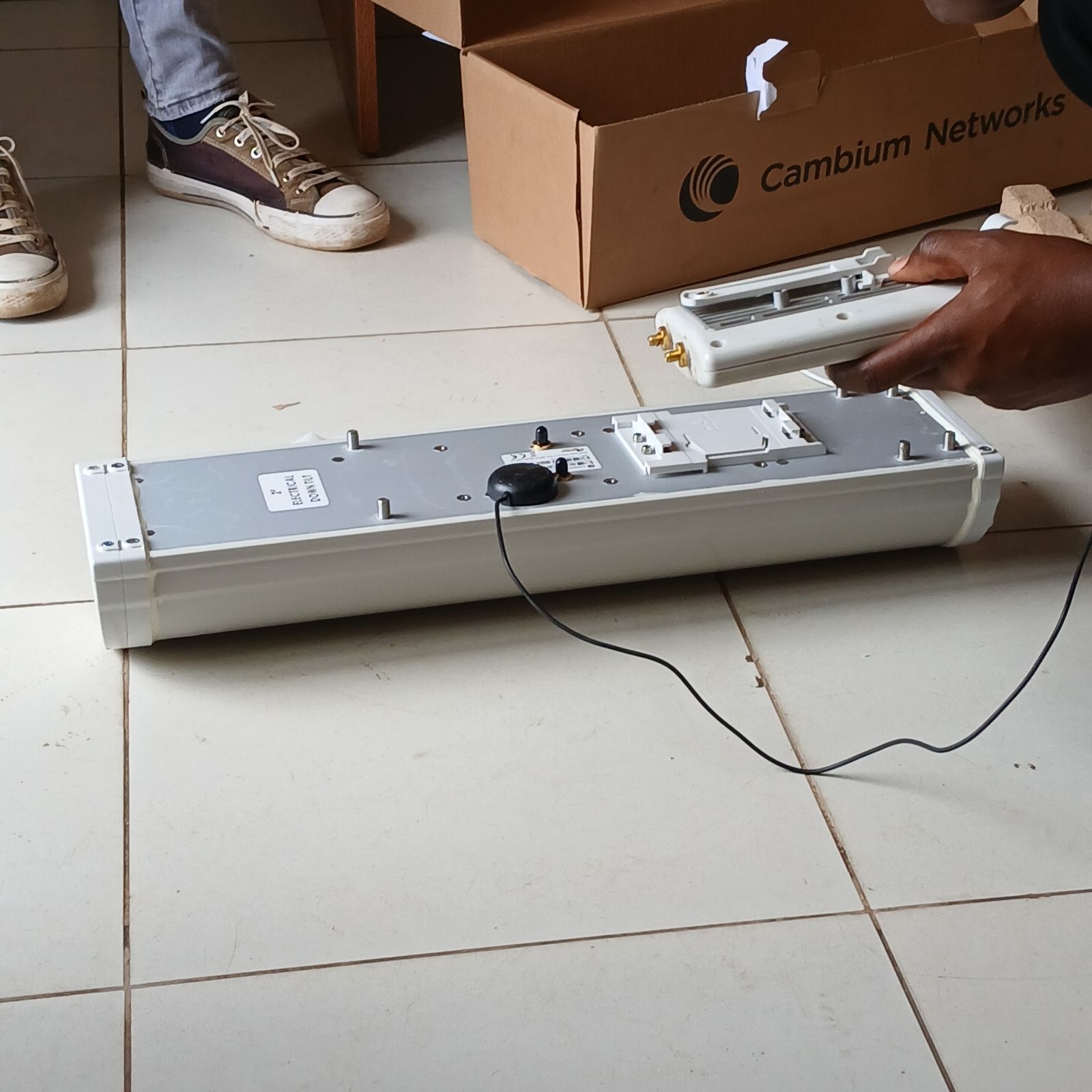
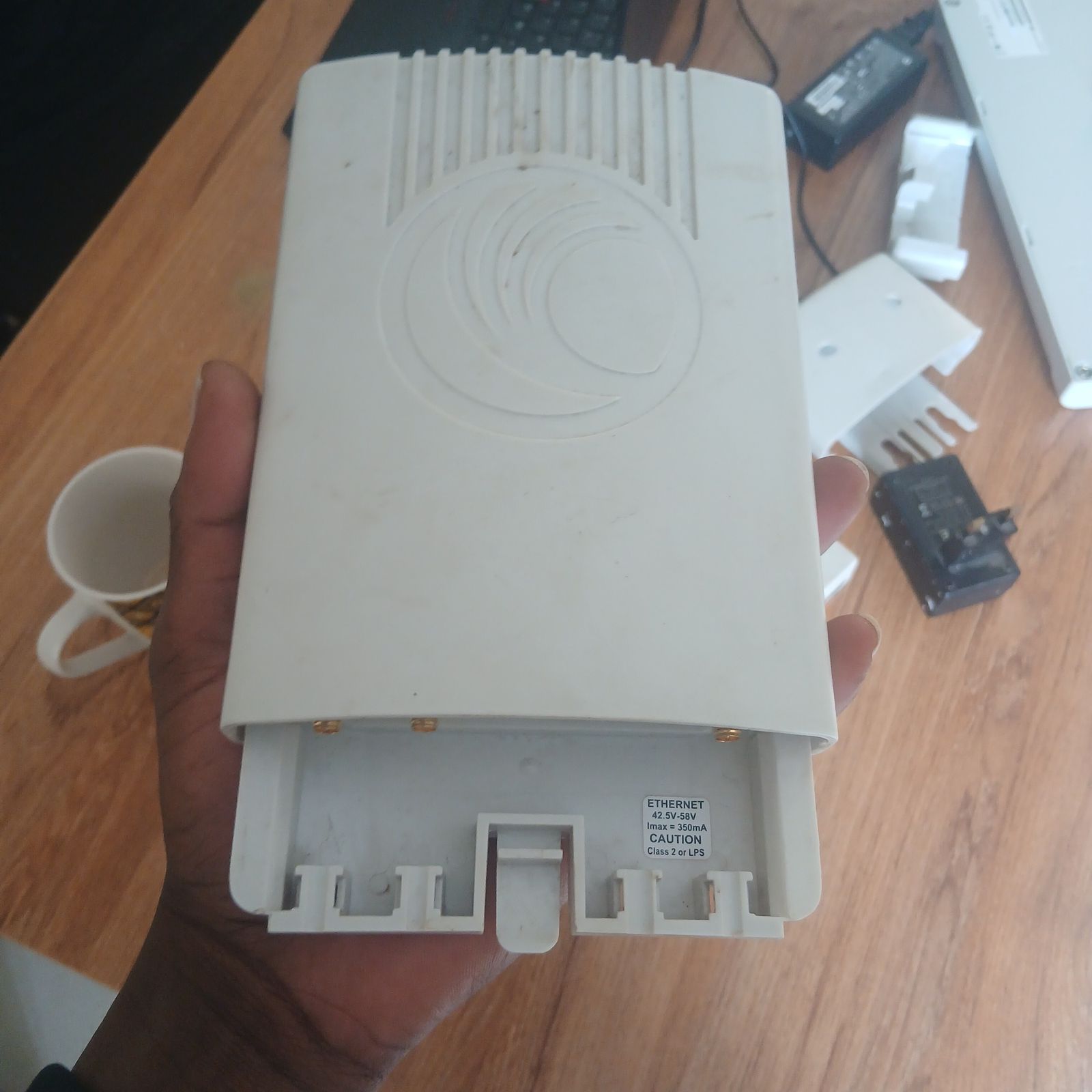
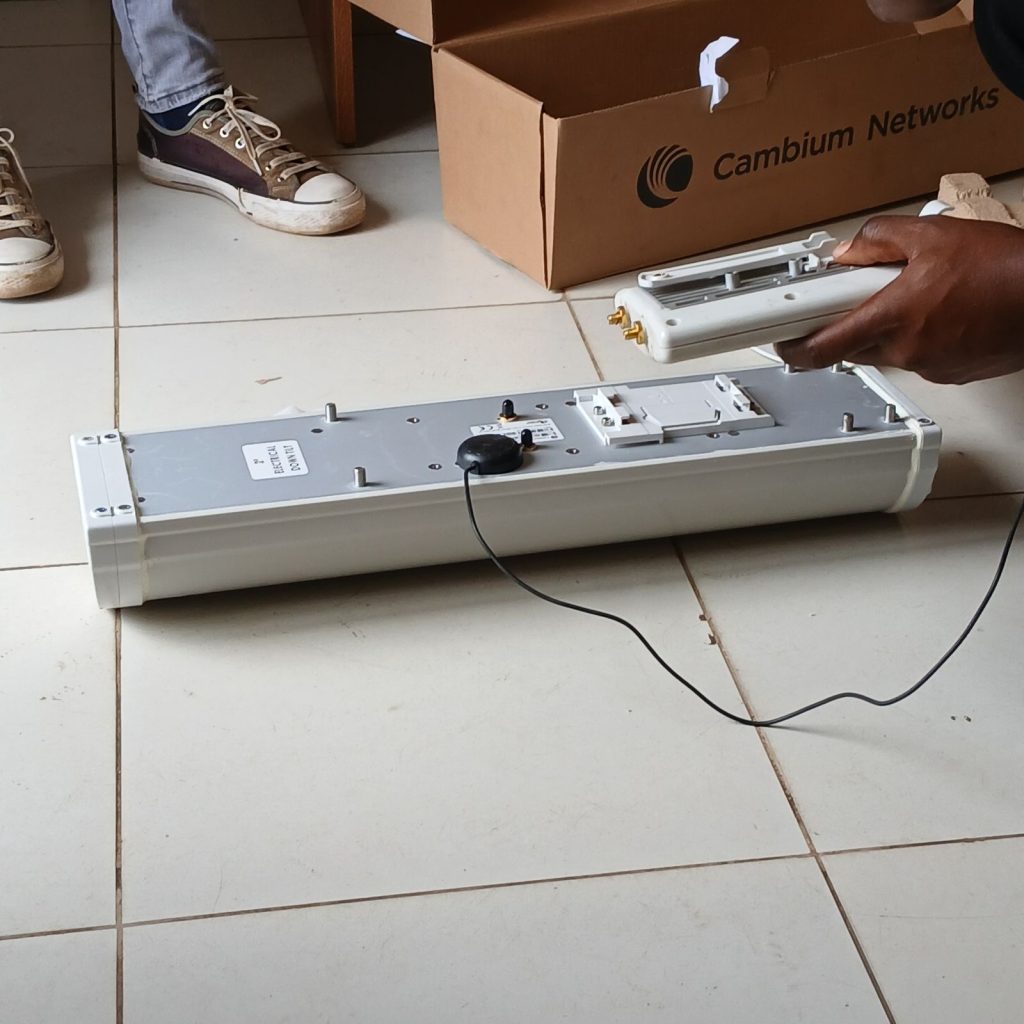
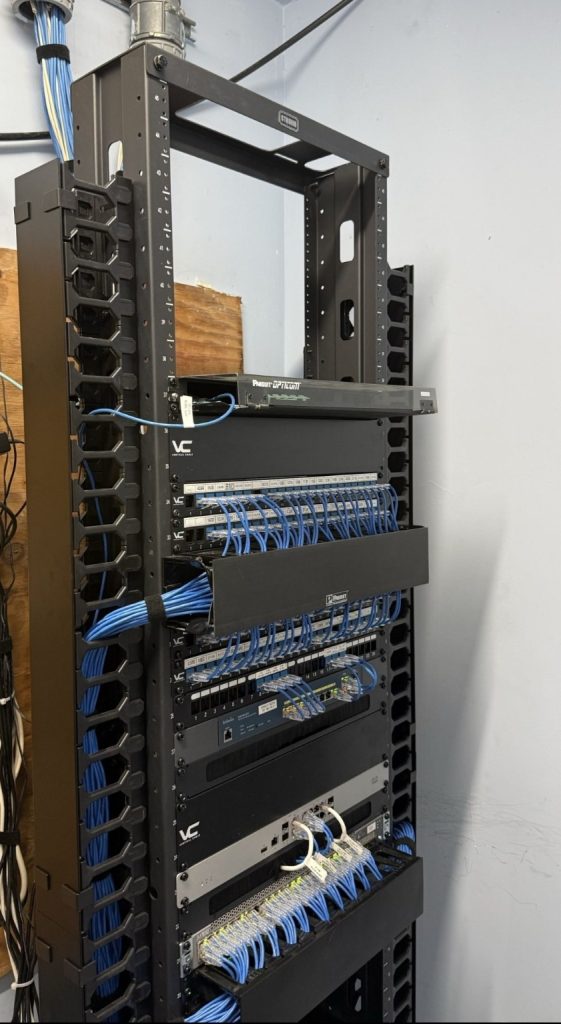
The photographs are from FuchaTech installation work. They are not a claim that every link uses the same radio, and they are not a manufacturer partnership badge.
Power at both ends
Both radios have to stay on. A link with beautiful signal and a socket that the caretaker switches off at 6pm is a link that works during the survey and fails for the client. Note the breaker, whether there is a UPS, and how the cable reaches the roof without becoming a trip hazard or a water path into the building. Power-over-ethernet from a switch indoors is often cleaner than a rooftop adapter, when the distance allows it.
The mount has to survive a windy month
A radio aimed on a calm morning and clamped to a pole that twists will be a different radio by the weekend. Look at the pole, the bracket, and what it is bolted to. A short mast on a strong wall is often better than a tall mast on a weak one. Alignment is a waste of time until the hardware cannot move.
Ground, then configure
Outdoor equipment takes static and, in the worst case, a strike nearby. Grounding is not a paragraph to skip because the link “came up” on the bench. Bond it the way the site’s electrician and the equipment notes agree, and do not invent a path through a painted bracket. Configuration, names, and passwords come after the path and the power are real. Write the frequency, the names, and the management address on the same page as the cabinet notes, so the next person is not guessing which radio is which.
This is everyday work in FuchaTech’s networking and wireless installations. If you have two sites that need to see each other, send both locations and what has to cross the link. We would rather decline a path on paper than climb for one that was never clear.
Continue reading
All insights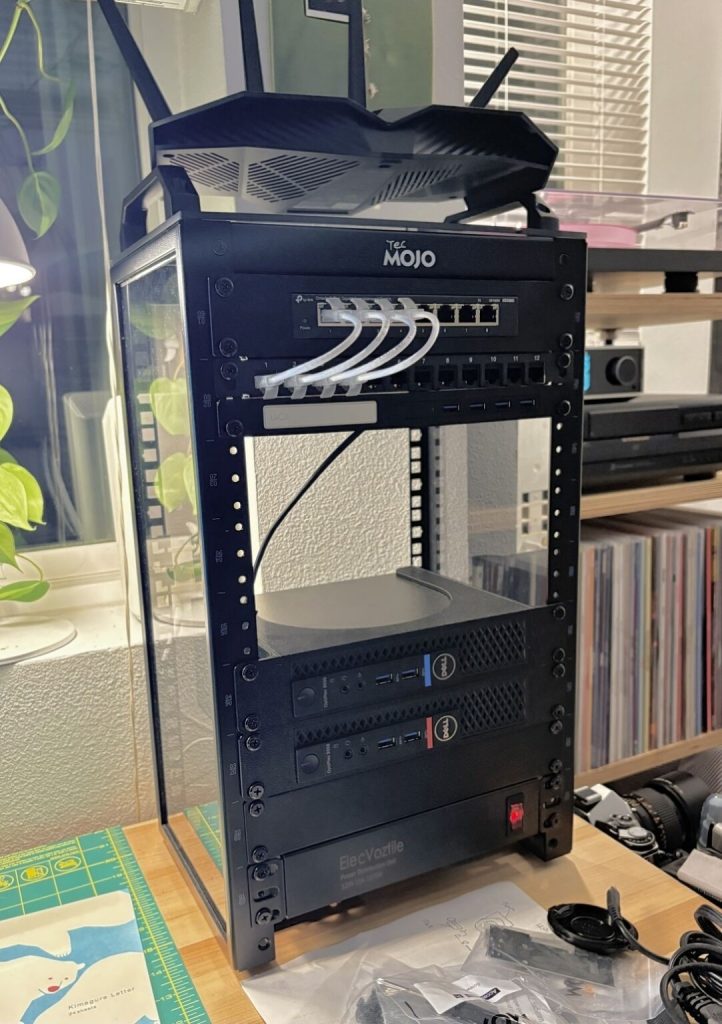
FuchaTech · Networking & Infrastructure
Small office networking: what to plan before buying another router
A practical small-office network brief: understand routers and switches, count devices, record faults and check power before buying equipment.
FuchaTech · Networking & Infrastructure
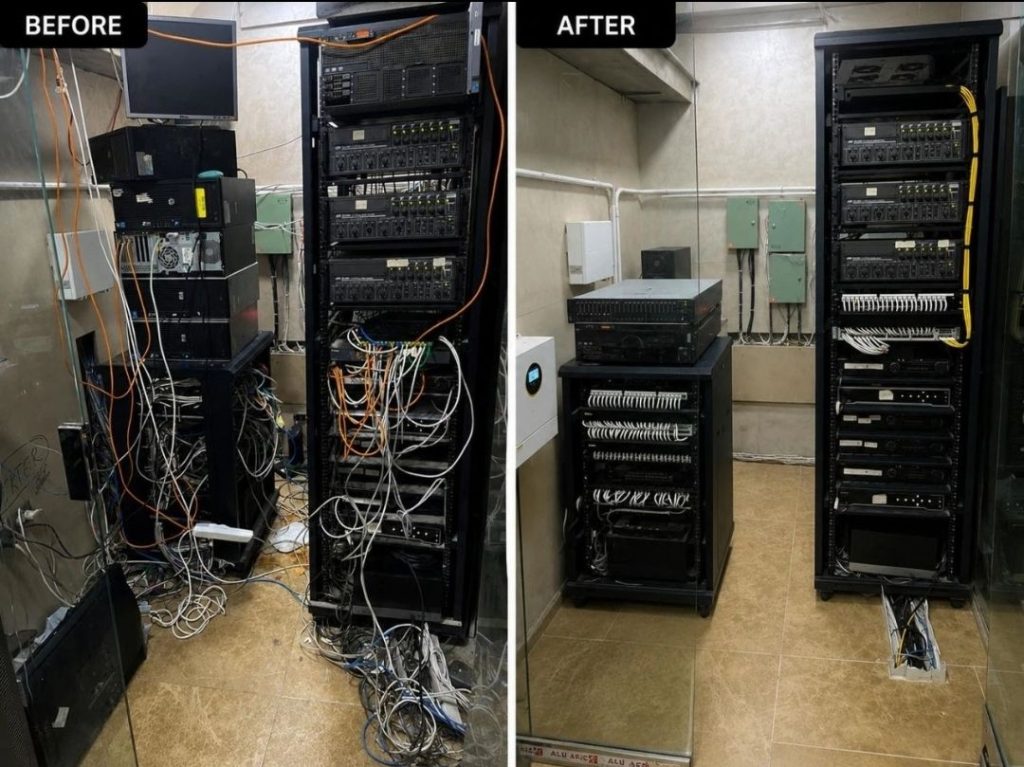
Planning a network cabinet: 7 checks before an office upgrade
Seven checks for an office network upgrade: ports, cable routes, labels, ventilation, service continuity and a useful handover.
FuchaTech · Networking & Infrastructure
Label the rack so the next person can work
A dressed rack is not the same as a labeled one. Both ends of a lead, and a one-page port list, are what make the next visit possible.